

A toilet that gurgles while the washing machine drains is a clue, not a coincidence. So is a tub that fills with gray water when someone runs the kitchen sink. Every slow or stopped drain in a house sits somewhere along a branching system of pipes, and the place where the blockage sits decides almost everything that follows. That includes which tool clears it, how long the fix will last, and whether the problem is really in one sink or out in the yard.
That question of location is usually the first thing a good plumber works out. Homeowners who schedule drain cleaning in San Marcos with garrettsplumbingtexas.com get a crew led by a responsible master plumber whose daily work already covers sewer repair, leak detection and emergency calls. The family has carried the trade through four generations and 27 years, so a backed-up line gets treated as a question about the whole system instead of a single sink to plunge and leave.
You can do a fair amount of that thinking yourself before anyone arrives. Picture the plumbing as three zones, each farther from the fixture than the last.
Inches Away, Inside the Trap
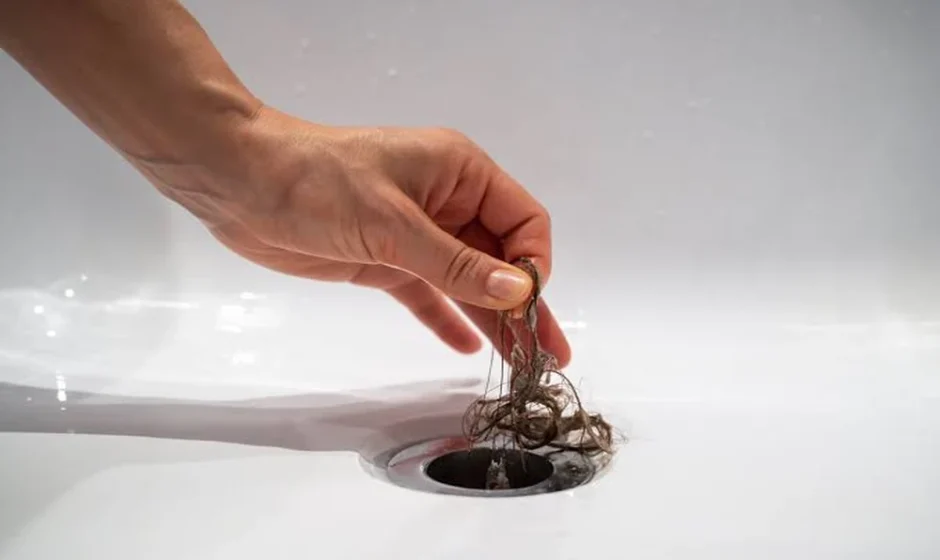
Every sink, tub and shower has a curved section of pipe just below it called the trap. It holds a little water to block sewer gas, and that curve is where most everyday clogs start. In bathrooms the culprit is usually hair bound up with soap scum. Toothpaste and shaving residue add to it. In the hard, mineral-heavy water common around the Hill Country, that sludge also picks up scale, which makes it stiffer and quicker to rebuild after a partial clearing.
Clogs at trap level announce themselves clearly. One fixture slows down while everything else in the house drains normally. A plunger with a good seal, a plastic barbed strip pulled up through the drain, or removing and rinsing the trap itself often solves it in minutes. For a sink stopper that hides a wad of hair, pulling the pop-up rod is often the whole repair.
Caustic chemical cleaners deserve caution here. They generate heat as they work, and when they fail to break through they leave a pool of harsh liquid sitting in the pipe for whoever opens it next. Repeated doses can also soften older plastic joints and pit worn metal. Enzyme products are gentler, but they work slowly and are better for maintenance than for an emergency.
Several Feet Back, in the Branch Lines
Behind the walls, each fixture’s drain joins a branch line that carries water toward the main stack. Kitchen branches cause the most trouble, and grease is the reason. Cooking fat goes down the drain as a warm liquid, then cools and coats the pipe walls. Food particles stick to that coating, and over months the opening shrinks. Water industry educators have a name for the worst version of this, the fatberg, a rock-like lump of hardened cooking fat that forms when grease keeps getting sent down the drain. Your home’s smaller pipes follow the same physics, only faster.
A branch clog shows up as trouble in two or three related fixtures, such as a kitchen sink and dishwasher that both back up, or two bathroom sinks that share a wall. Running hot water and dish soap rarely fixes this. It pushes softened grease farther down the line, where it hardens again. A hand auger can punch a hole through the blockage, but grease clogs tend to reseal around that hole within weeks.
Out in the Yard, at the Main Sewer Line
All the branches eventually meet the building sewer, the larger pipe that runs out under the yard to the city connection. When this line blocks, the symptoms jump from fixture to fixture, and the lowest drains in the house suffer first. Floor-level showers and first-floor toilets are where sewage appears when the main is backed up.
Several local conditions make main lines worth watching. Live oaks and pecans send roots toward any joint that leaks a little moisture, and older clay or cast iron pipe offers plenty of those joints. Expansive clay soil swells after heavy rain and shrinks in drought, which can shift a pipe until it sags into a belly where waste settles. Then there are wipes. Those labeled flushable hold together far longer than toilet paper, and San Marcos officials have publicly connected at least one small overflow in the city system to wipes and paper towels. Rental houses and duplexes near the university often see a mix of all three, with new tenants every year who don’t know what the pipes can and can’t handle.
A Quick Test to Run Before You Call
You can narrow down which zone you’re dealing with in about ten minutes. Work through the house from the top down:
- Run water in the problem fixture alone and note how long it takes to drain.
- Run a different sink on the same side of the house and watch the first fixture for bubbling or rising water.
- Flush the toilet nearest the problem drain and check the tub or shower beside it.
- Run the washing machine through a drain cycle and listen for gurgling in the toilets.
- Find the sewer cleanout outside, usually a capped pipe a few inches tall near the foundation, and carefully see whether water is standing inside it.
If only the first fixture struggles, the clog is almost certainly in its trap. If neighboring fixtures react, a branch is involved. Standing water at the cleanout or sewage appearing in a low shower points to the main line, and at that point it’s time to stop running water entirely until the line is opened.
Matching the Tool to the Blockage
Each zone calls for different equipment, and using the wrong one is how a clog comes back in a month.
Cable machines. A motorized drum feeds a steel cable with a cutting head through the line. It’s effective against hair, paper and roots, but it bores a channel through the blockage instead of cleaning the full width of the pipe.
Hydro jetting. High-pressure water scours the pipe wall all the way around, which makes it the better choice for grease and scale. It isn’t right for every pipe, though. Fragile cast iron or pipe that’s already cracked may need inspecting before it gets jetted.
Camera inspection. A small waterproof camera on a flexible rod shows exactly what’s in the line, whether that’s roots at a joint, a belly holding water, a collapsed section or a child’s toy. When a main line clogs repeatedly, footage from the camera usually settles the question of whether you need cleaning or a repair.
Keeping the Lines Moving Afterward
Most of the long-term work is simply habit. Hair catchers on shower drains, a jar under the sink for cooled cooking fat, and a wastebasket beside every toilet prevent a surprising number of service calls. Keeping the outdoor cleanout capped also matters, because an open cleanout lets rainwater pour into the sewer system during storms.
Homes with large trees near the sewer path, or a history of root clogs, often do well with a scheduled cleaning every year or two before roots get established. Where the camera has found bellies or broken joints, cleaning only buys time, and repairing that section usually costs less over the long run than repeated emergency visits.
A clog almost never sits where it looks like it does. Knowing whether yours is inches, feet or yards away from the drain turns a stressful backup into a problem you can actually plan around.