
Stair lighting has two jobs at the same time. It helps people identify tread edges and changes in level, and it also shapes how the staircase looks as part of the interior. Because stairs are used while people are moving, the lighting must be clear enough to support orientation without creating glare directly in the line of sight.
LED profiles make it possible to build a narrow, protected line of light into the tread, riser, wall or handrail area. The aluminum channel keeps the LED strip straight and creates a finished edge for the diffuser. The result can range from subtle night lighting to a strong architectural feature.
Start with where the light needs to fall
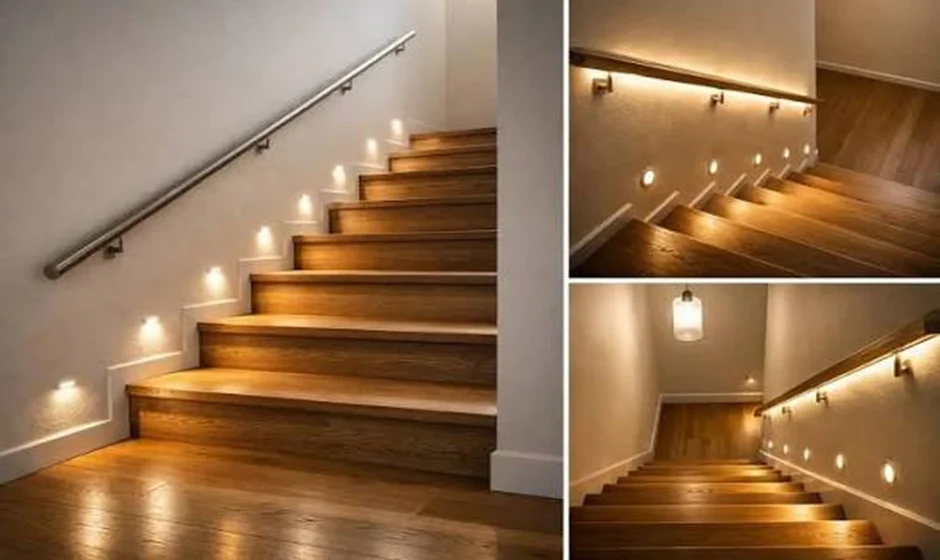
Lighting the staircase does not always mean placing a source on every tread. A continuous profile along a wall can wash light across several steps. A line under each tread creates a floating effect. A profile integrated into the front edge can emphasize the exact boundary of the step.
The best position depends on the staircase geometry and the way people approach it. Light aimed directly toward someone walking upward can be uncomfortable. A recessed source aimed across the tread usually produces better visual guidance.
A purpose-built Aluminum profile C Stairs provides a structured way to integrate strip lighting into stair details where the profile also helps define and protect the illuminated edge.
Visibility is more important than raw brightness
A staircase does not need to be flooded with light to be easy to use. What matters is contrast between tread surfaces, risers and edges. A controlled line can provide this contrast at relatively low output.
Too much brightness near the floor can reduce comfort because the eye sees the source directly when climbing. An opal diffuser softens the LED points and spreads the light across the step. Dimming is useful because a staircase may need a brighter level during active evening use and only gentle orientation light overnight.
Colour temperature also influences comfort. Warm white works naturally with timber stairs and residential interiors. Neutral white suits stone, concrete and contemporary commercial spaces where a cleaner appearance is preferred.
Profiles help protect the LED strip
Stairs are a demanding location for exposed lighting. Shoes, cleaning tools and dust all come close to the installation. An aluminum channel keeps the strip below the visible surface and reduces direct mechanical contact.
The exact level of the profile should be coordinated with the tread finish. A profile projecting above the surface can catch footwear or cleaning equipment. A profile installed too deep can create a dirt-trapping recess. Flush or carefully recessed installation produces a cleaner detail.
Where the profile forms part of the tread edge, mechanical fixing deserves particular attention. Adhesive alone may not be suitable for every surface or usage level. The profile should follow the fastening method intended for the product and substrate.
Wiring is easier to hide before the staircase is finished
Running separate visible wires to every step quickly makes an installation look improvised. The cable route should be built into the staircase, wall or adjacent structure before final finishes are applied.
One approach is to run a main low-voltage cable along the staircase with branches to each illuminated step. Another is to use longer continuous sections where the design allows it. The choice depends on the control system and access for future service.
Connections should remain protected and accessible where practical. The power supply belongs in a ventilated service location rather than inside a sealed tread cavity.
Sensors can make stair lighting more useful
Automatic control is particularly effective on stairs. Motion or presence sensors can activate the lighting when someone approaches, so the staircase does not remain illuminated continuously. More advanced systems can illuminate steps sequentially, creating a directional effect as a person moves up or down.
The control strategy should be selected before wiring. Sequential lighting requires separate channels or grouped step outputs, while a simple motion-triggered system can switch the entire staircase together.
Sensor positions matter as well. A sensor at the top should detect someone before they step onto the staircase, and the same applies at the bottom. Poor placement can cause the light to activate too late.
Diffusers and LED density determine how smooth the line looks
A stair profile is often viewed from close range, so individual LED points are easy to notice. Dense strips or COB technology create a more continuous effect. A frosted diffuser further softens the line and hides the electronics.
The profile depth changes the result. A deeper channel gives more space for light mixing, while a shallow edge profile may require a denser strip to avoid visible dots.
Testing a short section on the actual tread material is useful. Dark timber, pale stone and reflective tile all change the perceived brightness.
Stair lighting can become part of the architecture
A continuous line following the flight emphasizes direction and makes the staircase appear longer. Individual illuminated treads create rhythm. Lighting beneath a handrail forms a softer guiding line and leaves the steps visually clean.
In open-plan interiors, stair lighting can connect different levels without adding pendant fixtures or bright wall lights. The staircase remains visible after the main room lighting is dimmed.
Commercial interiors can use stronger contrast for wayfinding, while homes often benefit from lower output and warmer colour.
Plan for cleaning and service
Stair profiles collect dust, especially when installed horizontally. Diffusers should be easy to wipe and strong enough for the location. Removable covers simplify access to the LED strip if a connection needs repair.
The strip should be tested before the diffuser and final trim are installed. Each step should illuminate evenly and respond correctly to the control system. Fixing a wiring fault is far easier before the staircase is fully closed.
Treat safety and aesthetics as the same design problem
The most successful stair lighting does not separate function from appearance. A well-positioned light makes tread edges easier to read while reinforcing the shape of the staircase. The aluminum profile protects the strip and gives the line a consistent architectural finish.
For complete projects involving profiles, strips, sensors and related lighting components, LEDUA offers a broad selection for residential and commercial installations.
Stair lighting works best when the profile is included in the construction detail from the beginning. With the mounting height, cable route, diffuser and controls planned together, the final installation improves movement through the space and looks integrated even when viewed at close range.