
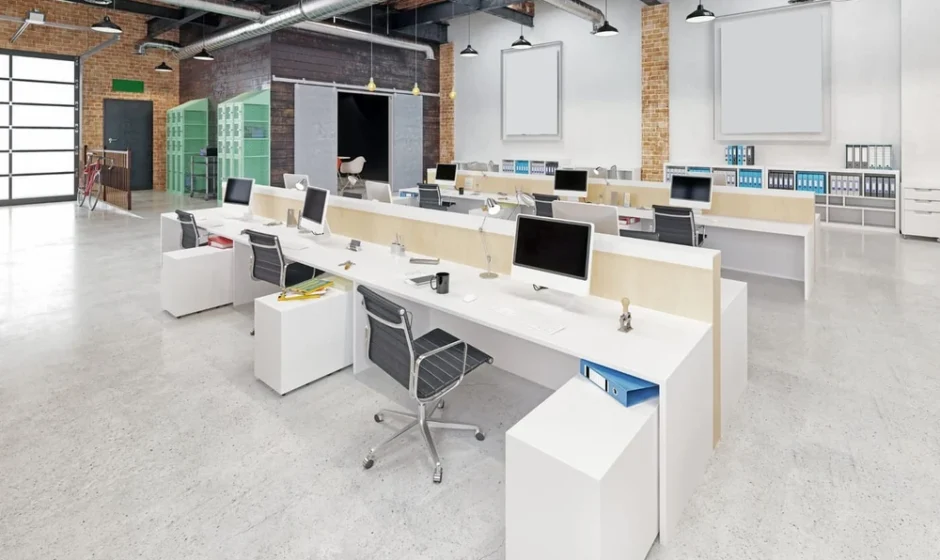

A well-planned office supports better focus and smoother daily operations. Indoor temperature plays an important role in employee productivity. Choosing air conditioning helps maintain suitable room conditions throughout working hours. Proper cooling also supports equipment performance while reducing discomfort caused by excessive indoor heat. Businesses should consider room size, staff numbers and operating schedules before selecting suitable cooling equipment. A carefully planned system can improve daily operations while helping organisations manage energy use and maintenance costs.
Maintaining Suitable Indoor Temperatures
Stable room temperatures help employees remain focused throughout their working hours without frequent interruptions caused by excessive heat.
Supporting Daily Employee Productivity
A pleasant indoor setting allows staff members to complete tasks efficiently while maintaining concentration during busy business hours.
Improving Indoor Air Movement
Proper airflow helps distribute cooled air evenly across different sections while reducing uncomfortable temperature differences within shared rooms.
Selecting Suitable Cooling Capacity
Choosing the correct system capacity prevents unnecessary energy use while providing sufficient cooling for the entire office area.
Managing Electricity Consumption Effectively
Energy efficient equipment helps businesses control monthly electricity expenses without sacrificing consistent indoor temperature throughout normal operations.
Reducing Equipment Operating Strain
Regular inspections help identify minor faults early while preventing unnecessary pressure on important cooling components.
Planning Systems Around Office Layouts
Room dimensions and furniture arrangements influence airflow patterns. Proper planning helps maintain even temperature levels across different working sections.
Choosing Equipment with Useful Features
Modern cooling systems offer practical features that support convenient operation. Businesses should compare available options before making purchasing decisions. Consider these important features:
· Adjustable temperature settings for different working requirements.
· Programmable timers to manage operating hours.
· Energy saving modes for lower electricity consumption.
· Quiet operation to reduce workplace distractions.
· Easy controls for simple daily adjustments.
Maintaining Consistent Indoor Air Quality
Clean filters help reduce dust circulation while supporting better airflow throughout occupied rooms. Scheduled cleaning also prevents dirt buildup inside essential components. Businesses should establish a maintenance routine that includes filter checks and general equipment inspections. Good ventilation further supports fresh indoor conditions.
Understanding Professional Installation Requirements
Correct installation plays an important role in system performance. Experienced technicians can assess room measurements and recommend suitable equipment placement. Proper drainage connections and electrical arrangements also help prevent operational problems. A suitable installation plan reduces future repair needs while supporting dependable performance.
Scheduling Regular Technical Inspections
Routine servicing helps detect worn components before they develop into costly faults. Technicians can inspect filters, coils and electrical connections during scheduled visits. Businesses should maintain service records to monitor equipment condition. Timely attention also helps extend the useful life of cooling systems.
Improving Long-Term Energy Management
Businesses can reduce unnecessary electricity consumption through practical operating habits. Using air conditioning wisely helps maintain suitable temperatures without placing excessive demands on equipment. Closing unused rooms and checking thermostat settings can also support better energy management. These small actions contribute to more controlled operating expenses.
Monitoring System Performance Regularly
Tracking operating hours and electricity consumption helps identify unusual changes. Sudden increases may indicate blocked filters or equipment faults. Managers should review maintenance records and arrange technical support when performance declines. Consistent monitoring makes future planning easier.
Building Better Office Conditions
Successful cooling requires suitable equipment selection, proper installation and consistent maintenance. Businesses should assess their building requirements before investing in a new system. Combining efficient operation with regular inspections can reduce unnecessary expenses while supporting staff productivity. These practical steps create a dependable indoor setting that serves everyday business needs. Additionally, companies should consider factors such as room dimensions, occupancy levels and daily operating hours when evaluating cooling solutions. Proper airflow distribution can help maintain consistent temperatures throughout different work areas.