
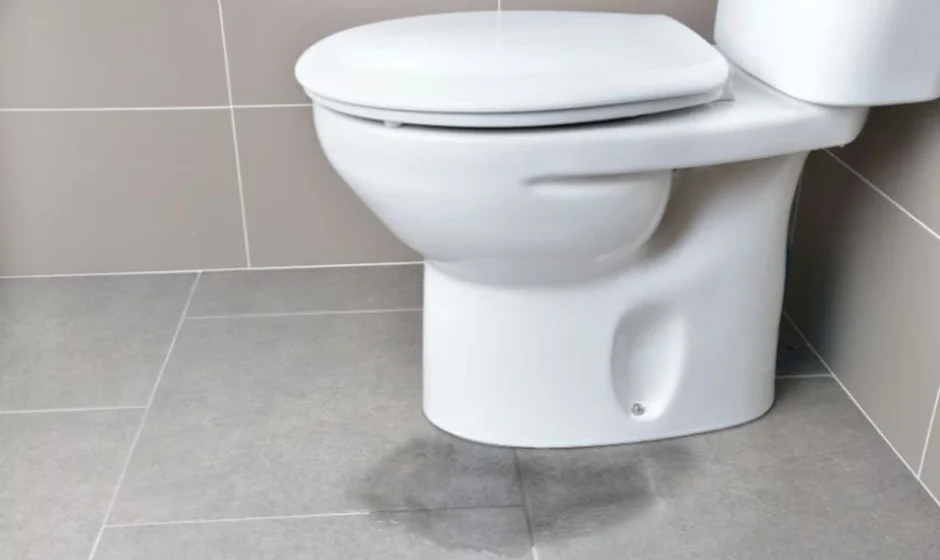

A toilet does not need to leave a visible puddle on the bathroom floor to have a leak. Some toilet leaks happen quietly inside the fixture, allowing water to escape continuously without attracting much attention. Over time, even a relatively small leak can waste a considerable amount of water and contribute to higher household utility costs.
For homeowners in Houston, recognizing these hidden problems early can help prevent unnecessary water waste and reduce the chance of more complicated plumbing issues. Toilets contain several seals, valves, connections, and internal components that can deteriorate with regular use. Knowing where leaks commonly develop makes it easier to identify when professional attention may be needed.
A Toilet Can Leak Without Showing Water On The Floor
Many people associate a toilet leak with water collecting around the base. However, internal leaks are often less obvious. Water may slowly move from the tank into the bowl because a component is no longer creating a proper seal. Since the water remains inside the toilet, homeowners may not immediately recognize anything unusual.
One warning sign is a toilet that occasionally refills even though nobody has used it. Another is the faint sound of running water long after flushing. When these symptoms continue, arranging leaking toilet repair Houston services can help identify the source of the problem before more water is wasted.
Ignoring a small internal leak may seem harmless because it does not immediately damage the bathroom. However, continuous water movement can add up over days, weeks, and months.
Worn Flappers Are A Common Source Of Hidden Leaks
The flapper is a relatively simple component, but it plays an important role in controlling water movement. The flapper is raised during the flushing process, which permits water from the cistern to enter the basin. It should then close securely so the tank can refill.
Over time, a flapper may become worn, warped, dirty, or damaged. If it cannot form a complete seal, small amounts of water can continuously escape into the bowl.
This problem may cause the fill valve to activate periodically as the tank attempts to replace the lost water. Homeowners who hear their toilet briefly running at unexpected times should consider the possibility of a worn flapper or another internal issue.
Fill Valve Problems Can Waste Water
The fill valve controls the water entering the toilet tank after each flush. When functioning correctly, it shuts off after the water reaches the appropriate level. A damaged or incorrectly adjusted valve may allow too much water into the tank.
The overflow tube may become inundated with excess water, which may then enter the bowl. Because this process occurs inside the toilet, there may be no obvious external evidence of a leak.
Unusual filling sounds, long refill cycles, or continuous running can indicate that the fill valve needs inspection. Addressing the problem promptly can improve toilet performance while limiting unnecessary water consumption.
Faulty Seals Can Create Less Obvious Problems
Toilets rely on multiple seals to keep water contained. These can include seals between the tank and bowl as well as connections around bolts and other components. Age, movement, and ordinary wear can gradually weaken these parts.
A deteriorating seal may initially release only a small amount of moisture. The leak can be easy to overlook, especially when water collects in an area that is difficult to see.
Checking around the toilet tank, supply connection, and base periodically can help homeowners notice moisture before it causes larger problems.
Base Leaks Can Damage Surrounding Materials
Water appearing around the base of a toilet deserves prompt attention. Unlike an internal tank leak, a base leak can expose flooring and nearby materials to moisture.
Repeated exposure may eventually affect flooring, subflooring, trim, or other bathroom surfaces. In some cases, the visible amount of water may seem minor even though moisture has already reached areas underneath the toilet.
Movement or rocking when someone sits on the toilet can also indicate that the fixture is not properly secured. A loose toilet can place additional stress on the seal at its base and increase the likelihood of leakage.
Higher Water Bills Can Provide An Important Clue
Some hidden toilet leaks are discovered because household water usage suddenly increases without an obvious explanation. If routines have remained similar but the water bill changes noticeably, plumbing fixtures are worth checking.
Toilets are especially important because an internal leak can continue throughout the day and night. A small amount of continuous water loss can become significant over an extended period.
Monitoring bills and paying attention to unusual toilet sounds can make hidden plumbing problems easier to recognize.
Early Repairs Can Prevent Larger Plumbing Concerns
Hidden toilet leaks are easy to underestimate because they may not interfere with everyday bathroom use. The toilet may continue flushing normally while water quietly escapes through a worn component or faulty seal.
Routine observation can make a meaningful difference. Homeowners should pay attention to unexplained running sounds, frequent tank refilling, moisture near the fixture, changes in flushing behavior, and unexpected increases in water consumption.
Finding the cause early allows the appropriate component to be repaired or replaced before the issue becomes more disruptive. By treating unusual toilet behavior as an early warning rather than a minor inconvenience, Houston homeowners can reduce water waste, protect bathroom materials, and keep their plumbing systems operating efficiently.